Amino Acids for Recovery: What They Do, How to Choose, and Safety
Disclosure: Some links are paid links. We may earn a commission if you buy through them (at no extra cost to you). This content is for educational purposes only and is not medical advice.
Amino Acids for Recovery: What They Do, How to Choose, and Safety
Amino acid supplements have gained popularity among fitness enthusiasts and athletes alike, especially for their potential benefits in post-workout recovery. This guide will cover what amino acids are, their role in recovery, how to choose the right supplements, and safety considerations when incorporating them into your training nutrition regime.
What Are Amino Acids?
Amino acids are the building blocks of proteins and play a crucial role in various bodily functions, including muscle protein synthesis. There are 20 different amino acids, of which nine are classified as essential amino acids (EAAs) because your body cannot produce them. These must be obtained through diet or supplementation.
The Role of Amino Acids in Post-Workout Recovery
After intense exercise, your body needs to repair and rebuild muscle tissue. Amino acids can help support this process by:
- Promoting muscle protein synthesis
- Reducing muscle soreness
- Enhancing recovery times
- Supporting hydration and nutrient absorption
Incorporating amino acid supplements into your post-workout recovery routine may help you recover faster and improve your overall performance.
Choosing the Right Amino Acid Supplements
When selecting amino acid supplements for recovery, consider the following factors:
- Essential Amino Acids: Look for supplements that contain all nine EAAs, as they are vital for muscle recovery.
- Dosing: Follow the recommended dosages on the product label or consult a healthcare professional for personalized advice.
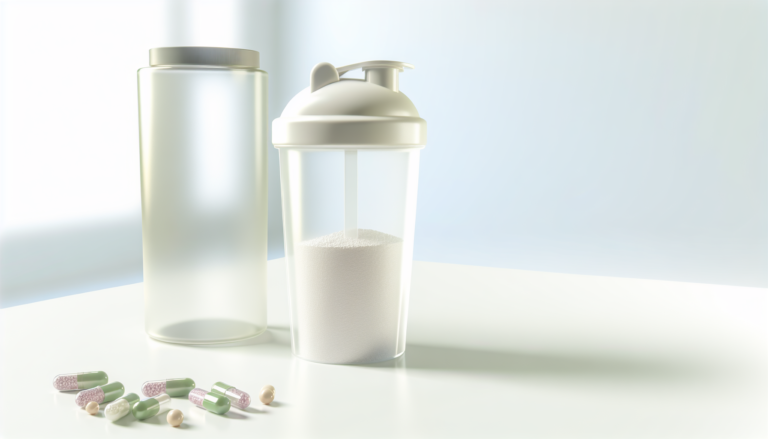
- Form: Amino acids are available in various forms, including powders, capsules, and drinks. Choose one that fits your lifestyle and preferences.
- Quality: Opt for products that are tested for purity and potency to ensure you are getting the best quality.
Hydration and Amino Acids
Proper hydration is essential for optimal recovery. Amino acid supplements can enhance hydration by promoting nutrient absorption. Consider pairing your supplements with electrolytes to replenish lost minerals during workouts. Staying hydrated can also help with muscle recovery and overall performance.
Potential Safety Considerations
While amino acid supplements are generally considered safe for most individuals, it is important to keep a few things in mind:
- Consult with a healthcare provider before starting any new supplement, especially if you have pre-existing health conditions.
- Be aware of potential interactions with medications.
- Stick to recommended dosages to avoid adverse effects.
Always prioritize a balanced diet rich in whole foods, which can provide the necessary amino acids without the need for supplementation.
Frequently Asked Questions
1. Can amino acid supplements help with muscle gain?
Amino acid supplements may support muscle gain by promoting muscle protein synthesis when combined with resistance training.
2. How should I take amino acid supplements for best results?
It’s generally recommended to take amino acid supplements post-workout to maximize recovery benefits.
3. Are there any side effects associated with amino acid supplements?
Some individuals may experience gastrointestinal discomfort or allergic reactions. Always consult with a healthcare provider if you have concerns.
4. What are some natural sources of amino acids?
Foods such as chicken, fish, eggs, dairy products, beans, and nuts are excellent sources of amino acids.
Interested in learning more about amino acid supplements for recovery? Check offer details.
For more information on wellness topics, visit our health topics hub or check out our blog for the latest insights on nutrition and wellness.
Ready to enhance your recovery with amino acids? Check offer details.
For additional information on supplements, you can also explore our supplement library.
Medical + affiliate disclaimer: The information on this website is provided for general educational purposes and is not a substitute for professional medical advice, diagnosis, or treatment. Always seek the guidance of a qualified healthcare professional before starting any new supplement. Results vary from person to person. Some links are paid links and we may receive a commission if you purchase through them.